
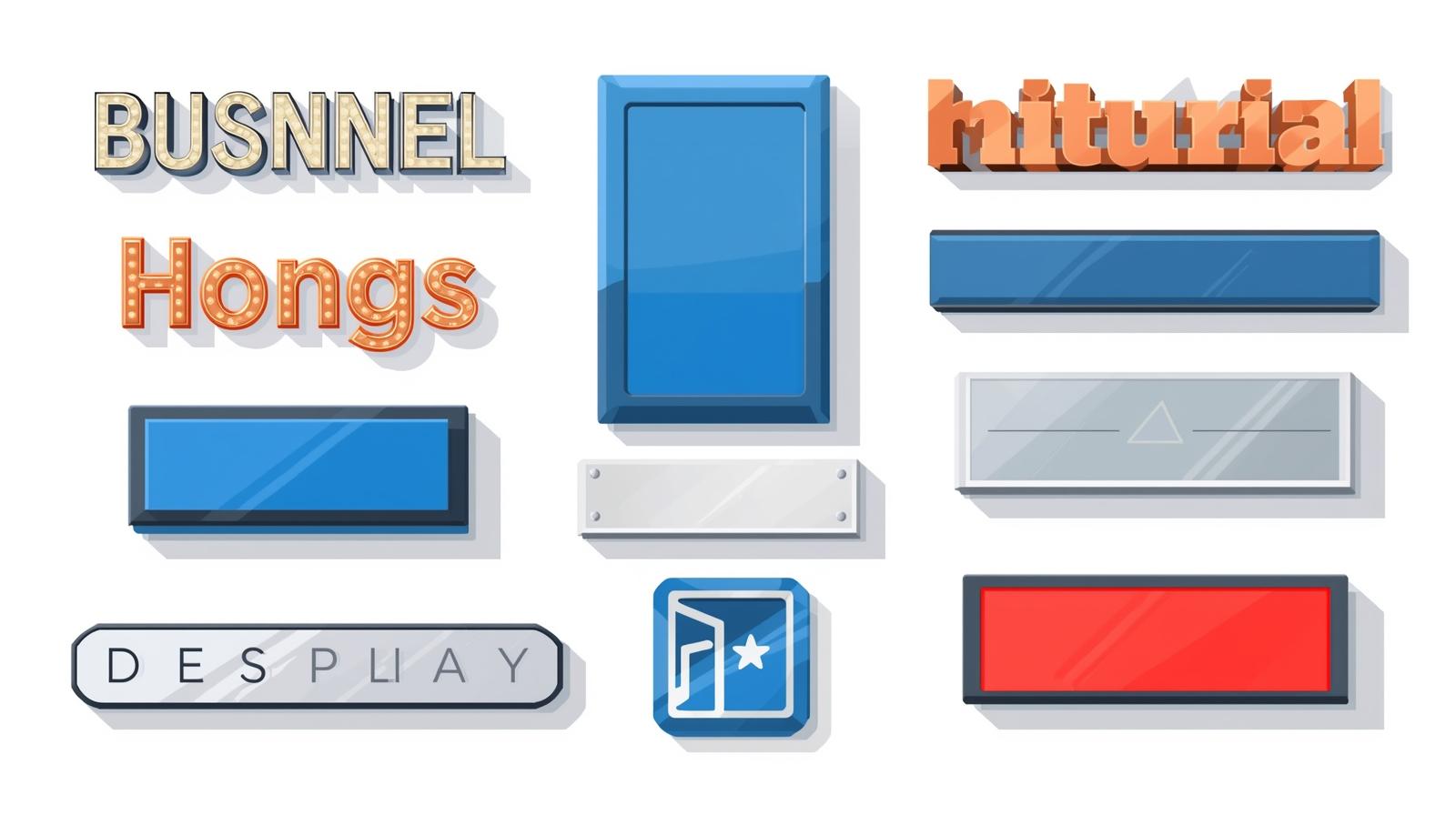
When someone walks past your shop or office for the first time, what do they notice before anything else? In most cases, it is your signage board. Your sign is not just a nameplate. It represents your brand, your professionalism, and your promise to customers. A good sign can pull people in. A poor sign can make even a great business look untrustworthy.
Choosing the right signage board is not about picking the biggest or brightest option. It is about selecting a sign that fits your business, location, audience, and budget. This guide will help you understand what really matters so you can make a confident decision.
Understand What You Want Your Sign to Do
Before looking at designs or materials, take a moment to think about the purpose of your sign.
Ask yourself:
- Do I want people to easily find my store?
- Do I want my brand to look premium or budget-friendly?
- Do I need to attract foot traffic or passing vehicles?
- Will the sign be used mainly during the day, at night, or both?
Some businesses need signage mainly for visibility. Others use it for branding and image building. Once you are clear about your goal, the rest of the choices become much easier.
Know the Types of Signage Boards Available
Not all signage boards serve the same function. Understanding the basic types will help you narrow down your options.
Outdoor Signage Boards
These are placed outside your shop or building and are usually the main sign displaying your business name and logo. Examples include acrylic boards, LED boards, lightbox signs, metal letters, and channel letters.
Indoor Signage
These signs are used inside your business. They include reception signs, menu boards, direction signs, and wall graphics. Indoor signage improves customer experience and gives your space a more professional look.
Promotional Signage
Temporary signs used for sales, offers, or events. These include banners, standees, and posters.
Each type has a different role. Most businesses need a combination rather than just one type.
Match the Sign with Your Brand Identity
Your signage should feel like a natural extension of your brand.
If you run a luxury salon or boutique, a simple acrylic or metal sign with soft lighting may suit you best. If you own a fast-food outlet or retail store, brighter colors and bold lettering may work better. A tech company may prefer a clean, modern LED sign.
Think about:
- Your brand colors
- Your logo style
- Your target audience
- The feeling you want people to have when they see your sign
Consistency builds trust. When your sign matches your website, packaging, and interior design, your brand looks more professional.
Choose the Right Size
Bigger is not always better. A sign should be large enough to be read easily, but not so large that it looks overwhelming.
Consider:
- How far away people will view the sign from
- Whether people are walking or driving past
- How much space is available on your building
For example, a small shop in a narrow street does not need an oversized board. A business on a highway, however, may need larger letters so drivers can read it quickly.
A professional sign maker can guide you on size based on visibility distance.
Pay Attention to Readability
A beautiful sign is useless if people cannot read it easily.
Keep these points in mind:
- Use simple, clear fonts
- Avoid overcrowding with too much text
- Make sure there is strong contrast between text and background
- Place the most important information first
Your business name should always be the main focus. If you include a tagline or phone number, keep it short.
Select the Right Material
Material affects both appearance and durability. The environment where your sign will be placed should guide your choice.
Acrylic
Popular for its clean and modern look. Works well for both indoor and outdoor use.
Metal (Aluminum or Steel)
Strong and long-lasting. Suitable for outdoor signage and gives a premium feel.
PVC or Foam Board
Lightweight and affordable. Mostly used for indoor signage.
LED and Lightbox Signs
Great for businesses that operate in the evening or at night. Highly visible and eye-catching.
Vinyl
Used mainly for banners and temporary signage.
Think long-term. Spending a little more on quality material usually saves money later on repairs or replacement.
Consider Lighting Options
If your business is open after sunset, lighting is essential.
Illuminated signs improve visibility and make your shop easier to find. Options include:
- Backlit signs
- LED channel letters
- Lightbox boards
- Front-lit spotlights
LED lighting is energy-efficient and lasts longer than traditional bulbs, making it a practical choice.
Think About Location and Placement
Even the best sign will fail if it is placed poorly.
Your sign should:
- Be clearly visible from the main road or walkway
- Not be blocked by trees, poles, or other structures
- Be positioned at a comfortable viewing height
Also, check local regulations. Some areas have rules regarding sign size, lighting, and placement. Following these rules helps you avoid future problems.
Set a Realistic Budget
Signage costs vary depending on size, material, lighting, and design complexity.
While it may be tempting to choose the cheapest option, remember that your sign represents your business every day. A low-quality sign can fade, break, or look outdated quickly.
Instead of asking “What is the cheapest sign?”, ask “What is the best value sign within my budget?”
Request quotes from multiple vendors and compare:
- Material quality
- Warranty
- Installation cost
- After-sales support
Work with Experienced Professionals
A good signage company does more than just print and install. They help with:
- Design suggestions
- Material selection
- Size recommendations
- Proper installation
Share your brand details, logo, and business goals with them. Their experience can prevent costly mistakes.
Preview Before Finalizing
Always ask for a design mock-up or digital preview before production. This allows you to see how your sign will look and make changes if needed.
It is easier and cheaper to adjust a design on screen than after the sign is manufactured.
Final Thoughts
Your signage board is one of the most powerful marketing tools you own. It works for you day and night, often without any additional cost. Choosing the right sign requires careful thought about your brand, location, audience, and long-term needs.
Take your time. Ask questions. Compare options. When you invest in a well-designed, high-quality signage board, you are investing in the growth and credibility of your business.
A good sign does not just tell people where you are. It tells them who you are.
Frequently Asked Questions (FAQs)
1. What type of signage board is best for a small business?
There is no single “best” type for all small businesses. Acrylic, LED, and lightbox signs are popular because they look professional and are easy to customize. The right choice depends on your location, budget, and whether you need day-and-night visibility.
2. How long does a signage board usually last?
A good-quality signage board can last anywhere from 3 to 10 years or more. The lifespan depends on the material used, weather exposure, and how well it is maintained.
3. Are LED signage boards expensive to maintain?
Not really. LED signs are energy-efficient and have a long lifespan. While the initial cost may be higher, maintenance and electricity costs are usually lower compared to traditional lighting.
4. What size signage board should I choose?
The size should be based on how far away people will view your sign from and how fast they are moving. For example, roadside businesses often need larger signs than shops in small lanes. A signage professional can help you decide the ideal size.
5. Can I change the design later?
Yes, in many cases. Some signage types allow the face or vinyl to be replaced without changing the entire structure. Ask your sign maker about future update options before finalizing.
6. Do I need permission to install a signage board?
In many cities, yes. Local authorities may have rules regarding size, placement, and lighting. It is best to check local regulations or ask your signage provider for guidance.
7. Which material is best for outdoor signage?
Acrylic, aluminum, stainless steel, and LED-based signs are commonly used outdoors because they are durable and weather-resistant.
8. How much should I budget for a signage board?
Costs vary widely based on size, material, design, and lighting. Instead of focusing only on price, look for the best balance between quality and affordability.
9. How long does it take to make a signage board?
Simple signs may take a few days, while custom or illuminated signs can take one to two weeks or more, depending on complexity.
10. Should I hire a professional or design it myself?
Hiring a professional is recommended. Experienced designers and fabricators understand visibility, sizing, materials, and installation, which helps ensure better results.